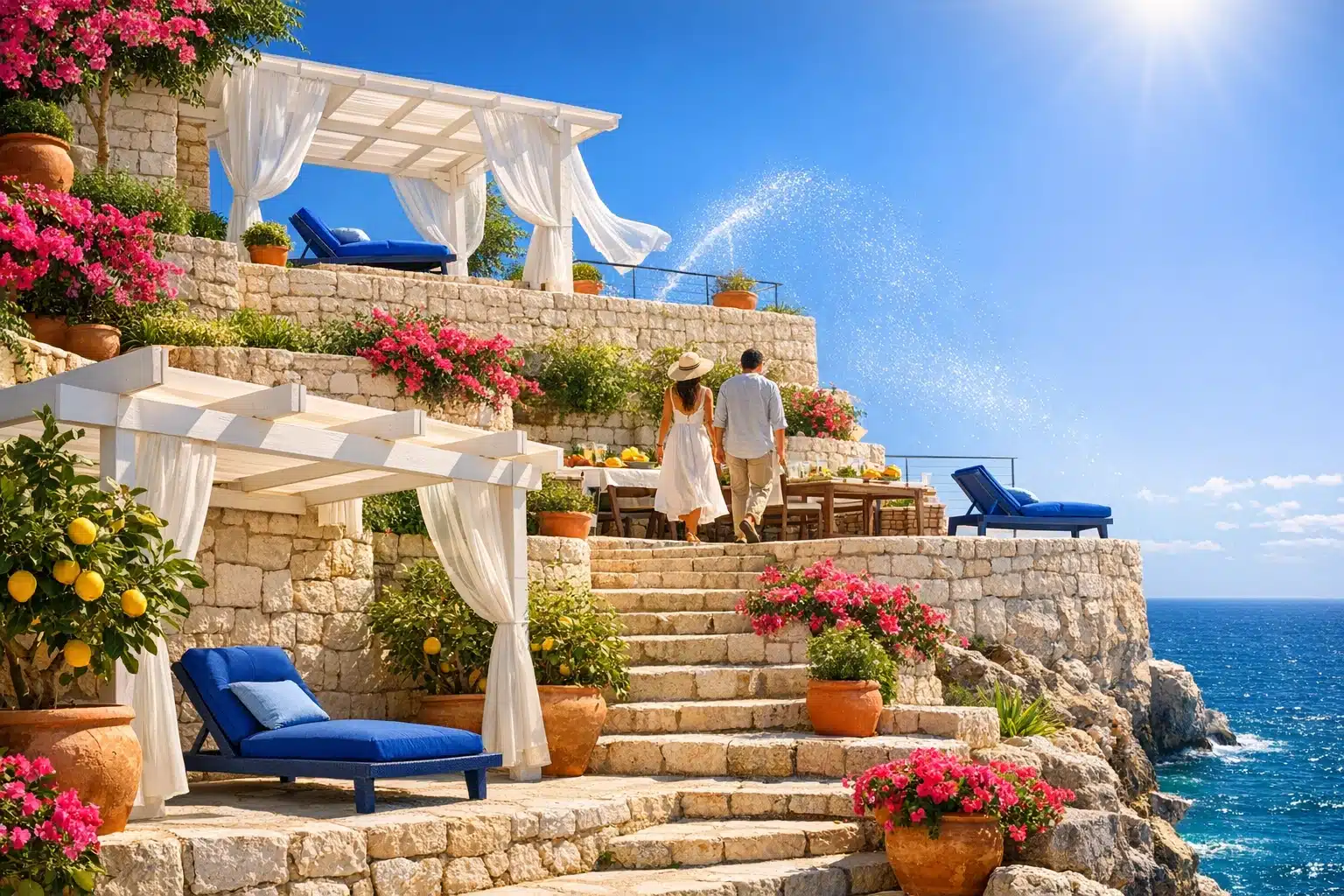
Guide to Luxury Villas in Italy for Relaxed Stays
Outline:
– Why a villa stay matters: space, serenity, place-based living
– Regions at a glance: coasts, lakes, countryside, islands
– Amenities that elevate comfort: architecture, services, tech
– Planning, budgeting, and logistics: calendars, fees, transport
– Decision framework and responsible travel: choosing well, staying thoughtfully
Private homes scattered across Italy’s coasts, lakes, and countryside promise more than a roof and a view: they offer room to slow down. A villa stay can shape your days around local rhythms—market mornings, long lunches, quiet swims, and sunset strolls—while anchoring your group in a single, comfortable base. In the following sections, you’ll find a practical framework to select a place that fits your style, schedule, and budget, with clear comparisons, checklists, and examples you can use immediately.
The Allure and Value of a Villa Stay
There is a particular calm that settles over a home with thick stone walls and a terrace facing vines or sea. Unlike a room booked by the night, a villa invites you to unpack fully—mentally as much as physically—so meals, naps, and adventures unfold on your terms. Space is the first advantage: many properties range from two to ten bedrooms and offer indoor areas from roughly 180 to 600 square meters, plus gardens that can stretch from a compact courtyard to several hectares. This scale makes it feasible to gather grandparents, children, and friends without crowding, often with separate suites or annexes that preserve privacy. Luxury villas in Italy offer privacy, comfort, and memorable surroundings.
Value is not just about price; it’s about what you gain. Self-catering kitchens reduce restaurant pressure, especially for families or special diets. Laundry facilities keep luggage lighter. Private pools mean morning laps before anyone else wakes. Consider the intangible returns as well: shared living rooms foster connection; outdoor tables turn simple meals into treasured memories; the soundtrack is olives tapping in the breeze, not hallway footsteps. For many groups, these qualities justify a nightly rate that, once split, compares favorably with multiple upscale rooms.
To put ranges into context, smaller countryside houses in shoulder seasons might start in the mid-hundreds per night, while waterfront and peak-summer homes can reach several thousand. The difference usually reflects location, view corridors, pool size, and proximity to notable towns or beaches. If you prize weekly rhythms—market days, local festivals, seasonal produce—a home base ensures you partake without commuting from town to town. Who benefits most?
– Multigenerational families wanting separate spaces and shared meals
– Friends celebrating an occasion while keeping downtime effortless
– Remote workers seeking weeks of quiet with nature at the doorstep
– Food lovers eager to cook with regional ingredients and attend local classes
In short, the appeal isn’t just luxury for its own sake; it’s the autonomy to design days that feel authentic to you. With a well-chosen property, time slows in the most satisfying way.
Regions Compared: Coasts, Lakes, Countryside, and Islands
Italy offers a mosaic of landscapes, each shaping a different kind of villa experience. On cliff-backed coasts, homes cling to hillsides with terraces stepping toward glittering bays. Expect captivating views, narrow lanes, and scenic drives that reward patience. Lake districts deliver mirror-like water framed by mountains, with boats replacing beach clubs and gardens lush from a gentle microclimate. Countryside stays center on rolling hills, medieval hamlets, and fields lined with cypress and olive. Islands—large and small—add volcanic backdrops, citrus groves, and a rhythm that is both maritime and sun-drenched. Luxury villas in Italy offer privacy, comfort, and memorable surroundings.
Seasonality matters. Coastal and island settings are liveliest from late spring to early autumn, with warm seas and long evenings. Inland areas shine from April to June and September to October, when temperatures are comfortable for hiking, winery visits, and long drives with windows down. Winter in many rural zones can be serene and budget-friendly, especially for guests content with fireplaces and nearby cultural cities. Travel logistics differ, too: lakes and major coasts are often linked by reliable rail or ferry networks, while deep countryside and remote coves are better reached by car. If you seek daily swims without crowds, consider shoulder-season weeks when the water is still inviting but roads are calmer.
To match regions with personal styles, think in preferences rather than headlines:
– Love boats and gardens? Lakes pair villa life with shorefront promenades and calm waters
– Crave dramatic scenery and seafood? Coastal villages deliver terraces, steps, and panoramas
– Want farm stands and vineyard visits? Countryside areas provide markets, trails, and space
– Prefer a blend of beaches and ancient sites? Islands mix archaeological wonders with coves
Distances in Italy can be deceptive; a 40-kilometer coastal route may take longer than a 100-kilometer highway. Study maps with relief in mind, and budget time for spontaneous stops—viewpoints, roadside fruit stands, and hilltown detours are part of the joy. With that perspective, each region becomes not a checklist but a setting for the kind of days you want to have.
Amenities and Design Details That Elevate Comfort
Not all villas are created equal, and small details can make a big difference in day-to-day pleasure. Architecture sets the tone: thick stone or stucco keeps interiors cool; timber beams, terracotta floors, and vaulted ceilings bring tactile richness; contemporary builds may add floor-to-ceiling glass and seamless indoor-outdoor flow. Outdoor living matters just as much—think shaded pergolas, a well-placed dining table with evening breezes, and a pool oriented for sun without harsh midday glare. Luxury villas in Italy offer privacy, comfort, and memorable surroundings.
Look closely at the kitchen: a layout that allows two or three people to cook without bumping elbows is worth more than any designer appliance. Pantry basics—salt, olive oil, spices—are helpful, but you’ll likely shop locally for produce, cheeses, and bread. Bedrooms should offer cross-ventilation or climate control for summer nights, and mosquito screens are a subtle yet meaningful perk. Bathrooms benefit from strong water pressure and consistent hot water, especially for groups. Reliable connectivity—solid Wi‑Fi with coverage to terraces and pool zones—supports remote work hours, streaming for kids, and easy navigation planning.
Energy and safety features enhance peace of mind. Solar panels and heat pumps indicate mindful design; pool heating may be available in shoulder seasons, sometimes with a daily energy surcharge. Fencing or alarms around pools can be essential for families. Good lighting on steps and paths is more than decorative; it makes late dinners and star-gazing safer. Consider noise and privacy: rural homes can be whisper-quiet, while village houses trade solitude for walking access to cafes. A practical pre-booking checklist helps:
– Cross-check bed configurations vs. your actual sleepers, including kids and couples
– Confirm kitchen kit (coffee maker type, pot sizes) to match your cooking plans
– Ask about shade at different hours and wind exposure on terraces
– Verify laundry setup (washer/dryer or drying racks only) and ironing gear
– Request a floor plan to understand accessibility, step counts, and room flow
Thoughtful amenities turn a good house into an easy house—one that supports your routines without fuss.
Planning, Budgeting, and On-the-Ground Logistics
Good planning makes a villa holiday feel effortless from the first key handover. Start early for peak summer or major holidays—many desirable homes book six to nine months out, some earlier for repeat guests. Shoulder seasons often reward flexible travelers with availability and calmer surroundings. Expect to pay a booking deposit upon confirmation and a balance due in advance; a refundable security deposit is typical and may be held on arrival. Local nightly occupancy taxes can apply per adult for a limited number of nights. Luxury villas in Italy offer privacy, comfort, and memorable surroundings.
Costs beyond the headline rate deserve attention:
– Heating for pools or floors, when requested, may carry daily or weekly charges
– Final cleaning fees can be included or additional; clarify what “normal use” means
– Mid-stay linen changes or extra housekeeping are often available for a fee
– Pet stays, where allowed, might require prior approval and a cleaning supplement
– Late check-in or Sunday arrivals sometimes incur a service charge
Arrival and mobility planning is just as important. If you intend to explore several towns, consider a car for countryside or island interiors and plan parking for popular historic centers. For coasts and lakes served by trains or ferries, you might combine rail travel with occasional taxis or local buses to skip summer traffic. Grocery delivery or a pre-arrival shop—when offered—saves the first afternoon for a swim instead of a checkout line. Clarify check-in procedures, whether meeting a house manager, collecting a lockbox code, or using a smart keypad. Note house rules on noise, pool hours, and rubbish sorting; respectful compliance keeps neighbors friendly and avoids fines.
Cancellation terms vary; review them carefully along with travel insurance that covers medical needs and trip interruption. A brief house walkthrough on arrival prevents misunderstandings: test stovetops, note any pre-existing wear, learn how to reset the internet, locate the breaker panel, and confirm the number to call for help. When logistics are handled, your time opens for the experiences that brought you here in the first place.
How to Choose Wisely and Travel Responsibly (Conclusion)
Choosing the right villa is part rational checklist, part intuition. Begin with non-negotiables—bedroom count, mobility needs, budget range, and travel dates—then map those to regions that match your preferred pace. If your dream days center on market visits, long lunches, and quiet country roads, tilt toward the hills; if you need daily swims and sunset walks along promenades, favor lakes or coast. Shortlist three to five homes that meet your brief and compare floor plans, terrace orientations, and shade patterns at midday. Luxury villas in Italy offer privacy, comfort, and memorable surroundings.
Next, sharpen the lens on context. Zoom into satellite views to check proximity to roads or neighboring roofs. Read between the lines of photos: a glorious view might entail many steps; a lush garden could indicate occasional insects; a sleek interior may prioritize aesthetics over storage. Ask concise, practical questions:
– How long does it take to reach the nearest grocery, pharmacy, and emergency care?
– What’s the sun path across the pool and main terrace in July vs. September?
– Are there quiet hours in the area or community rules to observe?
– Is there a backup plan for power or water pressure fluctuations?
Responsible travel makes a good stay even better. Use refillable bottles, sort waste diligently, and support local farms, bakeries, and small workshops. Keep music modest outdoors, park respectfully, and treat the house as you would a friend’s. If you hire in-villa services—cooks, tastings, or lessons—choose providers based in the surrounding communities. These small choices sustain the very charm you came for.
In the end, a villa is a stage for the stories you’ll tell later: birthday candles flickering in warm air, maps spread on a table as plans change with the weather, the hush after the last swim. Select a home that fits how you actually live on holiday, and you’ll carry that ease long after you close the gate.